In this article
Walking into a standard boxing gym and walking into a neuro-specific training facility are two different experiences, even if both involve gloves and heavy bags. When you compare Rock Steady Boxing vs regular boxing class options, the real distinction isn't the equipment. It's the physiological intent behind every movement. A generic fitness class aims to burn calories and improve cardiovascular endurance. A Parkinson's-specific boxing program targets neurological adaptation through deliberate, disease-specific drills. That difference in intent decides whether your brain gets the precise stimulus it needs to maintain function, or just a workout that leaves you tired without touching the underlying deficits.
Defining the Core Distinction: Neuro-Specific vs. General Fitness
Regular boxing classes assume your nervous system can already process complex motor commands efficiently, so instruction focuses mainly on cardiovascular output and technical form for sport or fitness. Non-contact boxing for Parkinson's treats exercise as medicine instead. The dosage and complexity have to be calibrated to force the brain to rewire itself, not just elevate your heart rate. High-intensity, complex motor skill training can induce neuroplastic changes in Parkinson's patients, and that mechanism sits at the center of the Rock Steady Boxing curriculum in a way general exercise doesn't attempt. Without that specific neurological demand, you're doing athletics, not targeted rehabilitation.
A standard cardio boxing instructor typically lacks the clinical background to notice when a participant's tremor or rigidity is interfering with safe movement patterns. Well-intentioned coaching can end up reinforcing compensatory habits that worsen symptoms over time. Effective neuro-boxing targets the cerebellum through cross-body patterns and sensory integration, because neurological adaptation demands a specific stimulus that generic cardio boxing doesn't supply. You need programming built around the pathology of your condition, not just the mechanics of a jab-cross combination.
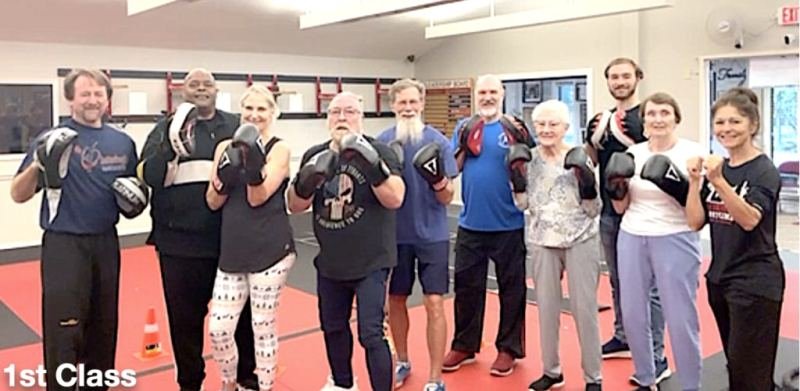
Our program fuses elite martial arts coaching with assessment-driven drills for people ranging from Parkinson's clients to special needs adults, which is what separates them from standard fitness classes. Safety in neuro-boxing comes from understanding neurological thresholds, not just the physical spacing between bags. Jeff Battenberg, along with his wife Renee Battenberg, founded Texas's first Rock Steady Boxing affiliate in Texas and builds clinical-style neuro-rehab drills on top of his 6th-degree black belt background and NeuroTraining Institute certification. His methodology bridges elite athletic coaching and clinical rehabilitation, so every session serves a therapeutic purpose beyond sweat equity. Each class has a specific neuro component.
Neuro-Training Fundamentals in Parkinson's Specific Boxing Programs
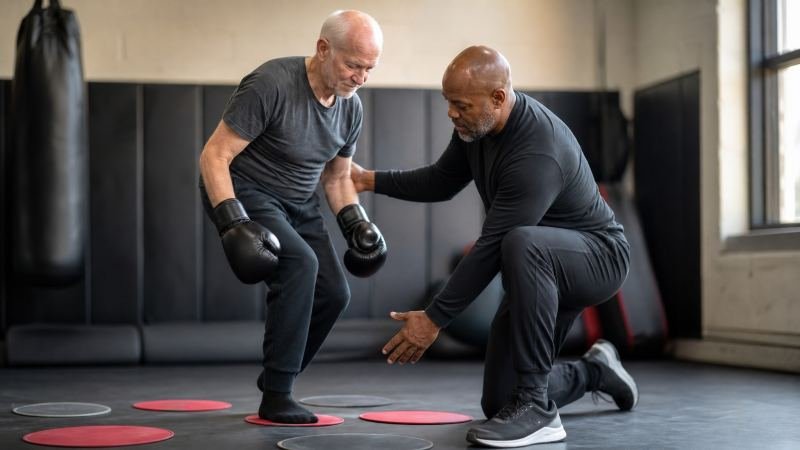
Standard boxing assumes your sensory systems are intact. Neuro-boxing builds training around the reality that visual, vestibular, and proprioceptive deficits are often the primary drivers of fall risk and coordination loss. These three pillars are the foundation of any legitimate boxing class for balance, because they address the root cause of instability instead of masking it with strength alone. When you perform drills that challenge your gaze stability while moving your head, or demand precise foot placement while you process auditory cues, you force your brain to integrate conflicting signals that daily life no longer provides. Generic fitness skips this sensory integration entirely, leaving the most vulnerable part of your neurological health untrained.
Assessment-driven programming matters because neurological conditions present differently in every individual. Cookie-cutter group fitness can be ineffective, or outright unsafe, for someone with compromised motor planning. Before you throw a single punch in a proper neuro-boxing program, an evaluation checks your baseline across cognitive, visual, and motor domains, so the training stimulus matches your current capacity. A Neuro Training Specialist Certification teaches coaches to modify drills in real time based on observed fatigue or symptom fluctuation, something a standard personal trainer isn't equipped to do. That ongoing calibration protects you from overtraining while keeping intensity high enough to drive change.
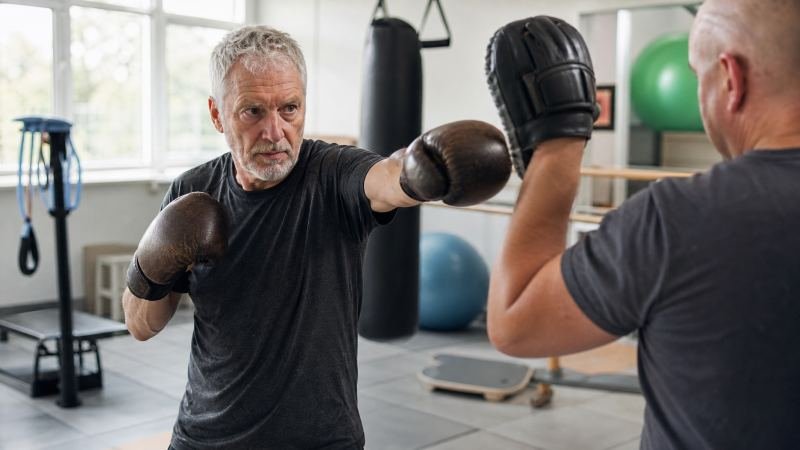
Cross-body patterns and midline crossing exercises are staples in neuro-boxing because they specifically engage the corpus callosum and promote interhemispheric communication that neurological conditions often disrupt. A regular boxing class might use alternating punches for cardio rhythm. Neuro-boxing uses the same movements to rebuild the neural pathways responsible for coordinated bilateral movement. The complexity of the task matters as much as the physical exertion, since simplified repetitive motion doesn't trigger the neuroplastic response needed for functional improvement. Your brain adapts when it's challenged with novelty and precision, not merely volume.
This specialized training doesn't replace medical treatment or guarantee symptom reversal, and it isn't built for people chasing competitive fighting prep or pure weight loss without a neurological focus. It serves a specific population with specific goals. For those within it, the distinction between generic fitness and neuro-specific programming is the difference between maintaining function and watching it decline despite regular exercise.
Frequently Asked Questions
Can I get the same neurological benefits from a regular boxing gym if I push myself hard?
No, because neurological adaptation requires specific sensory and cognitive challenges that general fitness classes do not provide. High effort without targeted drill design strengthens muscles but fails to stimulate the cerebellum and vestibular systems needed for balance and coordination improvements in Parkinson's.
What qualifications should I look for in a neuro-boxing coach?
Seek instructors with specialized certifications like the NeuroTraining Institute credential or official Rock Steady Boxing affiliation, alongside martial arts experience. Standard personal training or boxing coaching credentials alone do not cover neurological assessment, symptom recognition, or adaptive drill modification required for safe neuro-rehab.
How do visual and vestibular drills in neuro-boxing reduce fall risk?
These drills force your brain to reconcile conflicting sensory inputs during movement, rebuilding the integration pathways that degrade in neurological conditions. By practicing gaze stabilization and head-eye coordination under controlled stress, you restore the automatic postural responses that prevent falls in daily life.
Is non-contact boxing safe for someone with advanced Parkinson's symptoms?
Yes, when delivered through assessment-driven programming that scales intensity and complexity to your current neurological threshold. Safety comes from continuous monitoring and real-time drill modification by a qualified neuro-training specialist, not from avoiding contact alone.
Neuro With Mr. B provides education and coaching, not medical diagnosis or treatment. For medical concerns, consult a qualified healthcare professional.